

The Only Woman in Venice's Competition Just Won the Golden Lion
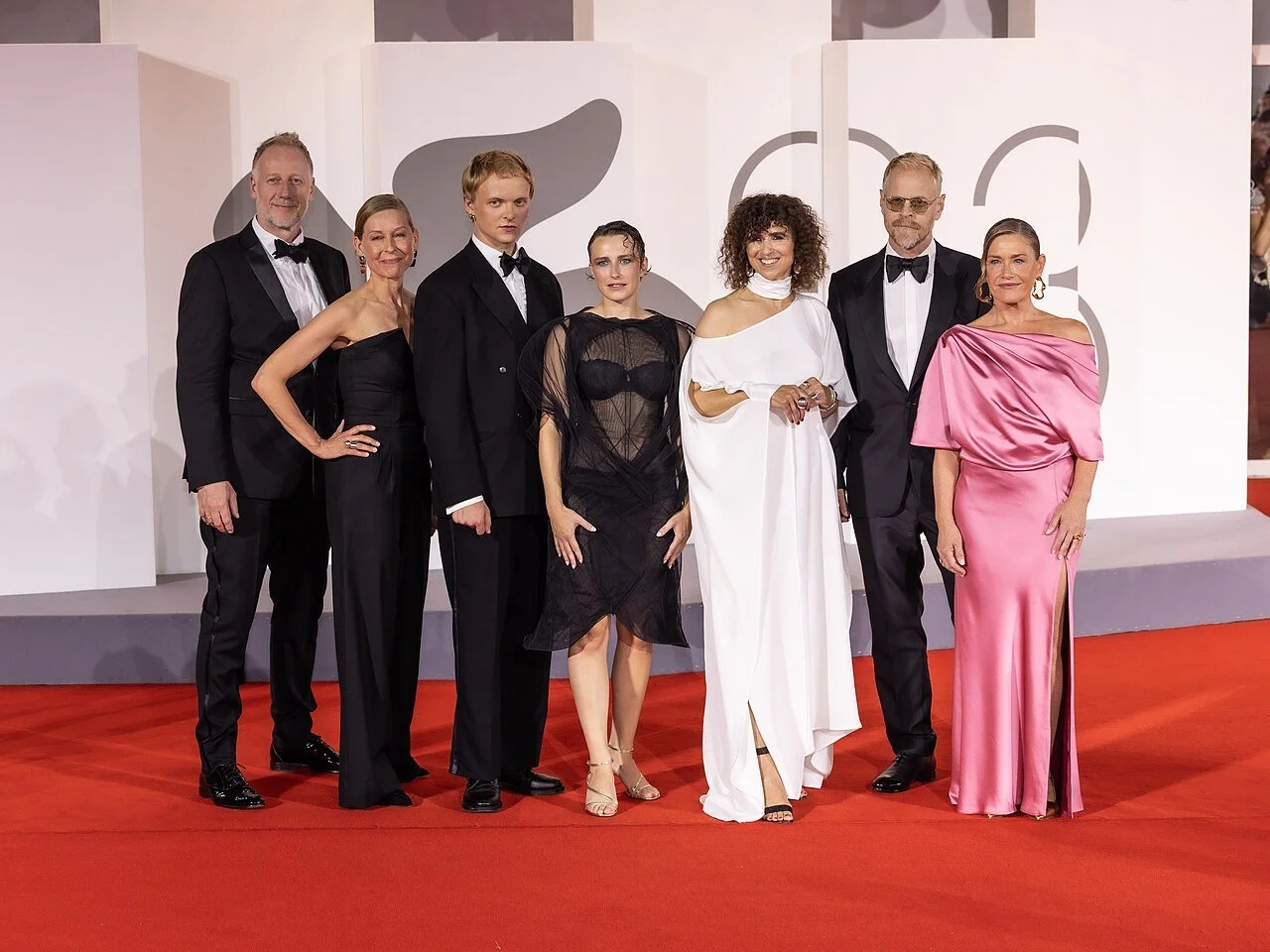
By Harald Krichel / WikiPortraits, CC BY-SA 4.0, https://commons.wikimedia.org/w/index.php?curid=199040454
Of the twenty films in Venice's main competition this year, exactly one was directed by a woman. Festival director Alberto Barbera promised 50/50 gender parity back in 2016, with a target date of 2020. Six years past deadline, the ratio was still nineteen to one. On September 12, the jury gave the Golden Lion (Venice's top prize, handed out since 1949) to that one film.
May el-Toukhy's Woman Unknown won the whole thing.
The film is set in Denmark just after WWII, and it's built around a specific, ugly piece of that history: women accused of fraternizing with German occupiers were publicly shamed after liberation, heads shaved, paraded through the streets. El-Toukhy's story follows Marie (Mathilde Arcel), a housemaid preparing to marry her wealthy employer while hiding a wartime relationship with a German soldier: a secret that isn't really hers alone, but belongs to an entire category of women history filed under "collaborator" without asking many follow-up questions. Arcel picked up the Volpi Cup, Venice's Best Actress award, for the performance.
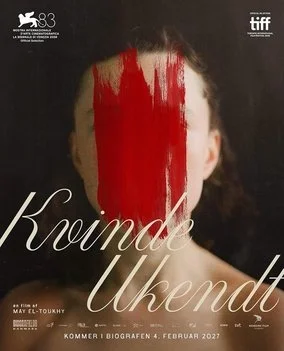
El-Toukhy, accepting the Lion, put the film's purpose plainly: "What kept me going was the urgent need to illuminate the unknown women of our common history, to make them known." She didn't dodge the obvious follow-up either, telling reporters the gender gap in her own competition slot is "very, very much a structural problem that I myself have lots of experience with." This is her third feature (her last, Queen of Hearts, won the Audience Award at Sundance in 2019), and a Danish-Egyptian filmmaker with two prior festival hits shouldn't have needed to be the only woman in a twenty-film lineup to get a Golden Lion conversation started. That she was is the actual headline, gold statue notwithstanding.
Naza closed its own loop, too. The Gaza documentary from Rachel Szor and Yuval Abraham (two of the four filmmakers behind the Oscar-winning No Other Land) walked in as the film Venice couldn't quite call apolitical no matter how many jury pressers got shuffled around. It walked out with a Special Jury Prize. The festival didn't have to program it that way. It did anyway, and then it rewarded it.
The rest of the board: Lee Chang-dong's Possible Love, his first feature in eight years, took the Silver Lion (the Grand Jury Prize, Venice's runner-up honor). John Malkovich won Best Actor for Martin McDonagh's Wild Horse Nine. Ilya Khrzhanovsky picked up the directing award for Dau, and A Good Little Soldier won Best Screenplay.
[AFFILIATE: Land of Mine (Under sandet) Blu-ray: another Danish drama built around the moral wreckage WWII left in its wake, and the closest tonal cousin on the shelf for anyone who wants a second gut-punch after Woman Unknown]
None of this fixes Barbera's math. One woman winning doesn't undo nineteen men getting the invitation first. But it does mean the festival's own numbers made the case for it better than any op-ed could have: give one filmmaker the slot, and she doesn't just compete, she wins.