

The world at a crossroads: vancouver film festival 2026 recap
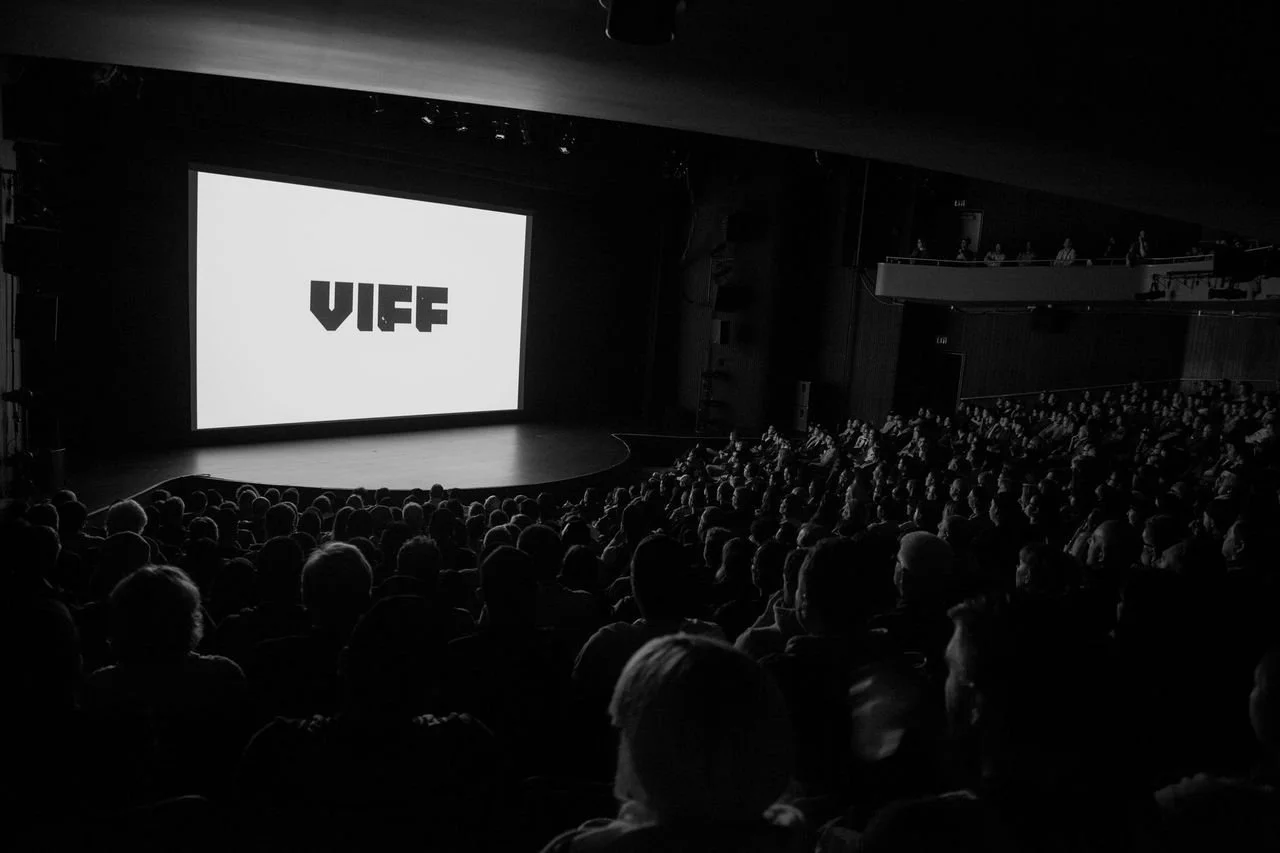
Courtesy of VIFF
The 45th Vancouver International Film Festival wrapped on October 11, and this was my first year covering it as press. I didn't see everything. Nobody does. But the films I did catch kept circling the same ideas.
Things are changing, and people are alone in it.
Again and again, the stories were about people forced to move, return, or start over. A refugee family carries a loss across two countries. A cab driver gets squeezed by a fuel subsidy cut. A writer comes home to a Germany split in two. A man comes back to an island that won't claim him. Sometimes the cause was politics, sometimes poverty, sometimes war. The move almost always left someone isolated, cut off from home, family, or the life they had before. I didn't plan to watch a festival about displacement. It just kept showing up, whatever the genre or country.
The most Indigenous films VIFF has ever shown.
This year's program had 19 Indigenous films, the largest slate in the festival's history. It didn't feel like a box being checked. These films were part of the same conversation about land, belonging, and what it costs to be pushed out of your place.
My top two
The Trial of Hein: A man steps off a boat onto a remote German fishing island and says he's Hein, home after fifteen years, and the village puts him on trial to decide if that's true. The set is the best choice in the film: every house is a roofless facade, so every "indoor" scene plays outside, like Dogville as a stage play with the wind blowing through it.
Behemoth: Pedro Pascal plays a touring cellist who drifts from city to city, unable to commit to anyone or anywhere. Tony Gilroy turns that into an honest celebration of art and what it costs, and I'd argue it's Pascal's best work.
The rest of what I saw
Smudge the Blades: Cody Lightning's second feature follows a Zamboni driver with a big-league past nobody can confirm, who takes over an Indigenous hockey team just kicked out of its league. It's funny, heartfelt, and nobody winks at the camera. Full review when it opens in 2027.
Fatherland: Paweł Pawlikowski's stark post-WWII drama follows Thomas Mann home to Germany, caught between two warring ideologies and unable to show vulnerability to either. It's lean at 82 minutes, and the black-and-white photography is possibly the most beautiful I've seen in a film.
Still Night, Burning House: Carol Nguyen's NFB documentary takes her Vietnamese-Canadian family back to Vietnam to make peace with an uncle who died from a mental illness nobody recognized in time. It's quiet, patient, beautifully shot, and more about healing than grief.
Lady: Olive Nwosu's Lagos neo-noir follows a cab driver caught between a radio voice calling for revolution as fuel subsidies get cut and an economy that pushes people to survive any way they can. It's visceral, dark, and you can feel the heat.
Pocket Mirror: Adrian Murray's world premiere follows a lonely mall retail worker who wonders if her cat has been replaced, with an AI chatbot as her only confidant. The mystery works, but it's really a quiet look at Gen Z isolation, anchored by Sofia Banzhaf's lead performance.
Death Has No Master: Asia Argento inherits a crumbling cacao estate in the Venezuelan jungle, and the house pushes back from the first scene. It's a slow burn with a standout sound mix and score, and then it takes a hard left. Full review at release.
Paper Tiger: James Gray's crime drama drops two brothers into New York just as organized crime changes hands. Adam Driver gives one of his best performances, and under the genre it's a film about being a father and a brother. Full review when it opens in theatres.
The one I missed
I didn't get to Minotaur, and I'm annoyed about it. It kept coming up as one of the best films at the festival. I'll catch up with it and report back.
Wrap
The best festival films don't announce a theme. You notice it when you step back and realize you've watched the same story from ten angles. This year it was people figuring out where they can live, and who they get to be once they get there.
One thing that stuck out. Every movie, looked spectacular. It’s been a trend in mainstream American movies and TV to get that certain “look” that people are complaining about, often inspiring articles, social media posts and videos asking “Why does everything look so awful now?”.
That’s not the case with international cinema. Craftspeople around the world are still using workflows that provide beautiful visuals that get the job done. It tells a story, and I found that incredibly inspiring.
We’ll see you next year.