

Resident Evil (2026): Why Zach Cregger's Reboot Actually Works
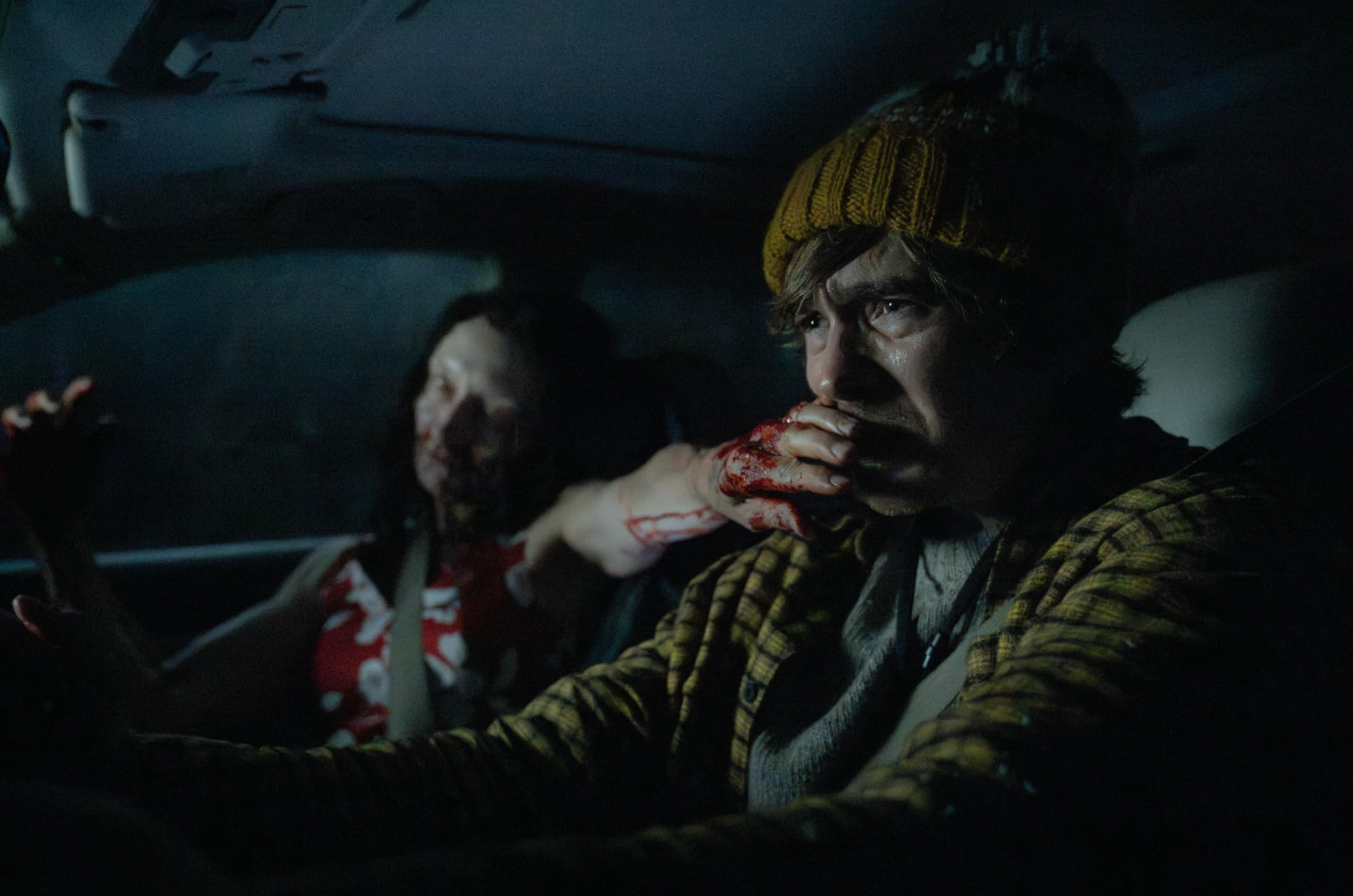
Photo by Courtesy of Sony Pictures - © Sony Pictures
Zach Cregger's Resident Evil reboot opened this weekend at #1, pulled in roughly $60 million domestic, and is sitting at 96% on Rotten Tomatoes. Those numbers don't usually travel together for a video game movie in 2026. And the film does something almost aggressive in its restraint to get there: no Leon, no Claire, no Jill, no Wesker. Eight films into this franchise, and the one critics are calling the best of the bunch spends zero time on the characters most people associate with "Resident Evil."
That's the whole trick, and it's worth sitting with why it worked.
The Paul W.S. Anderson series (six films, 2002 to 2016, Milla Jovovich playing an original character named Alice) made real money and got critically flattened for treating the games as a costume rather than a text: bio-weapons and zombies borrowed, everything else invented. 2021's Welcome to Raccoon City swung hard the other way, faithful to Leon, Claire, and the Spencer Mansion, and it still died at the box office. That failure is the reason this reboot exists; Constantin started shopping the franchise around within months of it.
Cregger, hired off Barbarian and Weapons, picked a third option nobody had tried: treat the games as a sandbox, not a script. His Resident Evil follows Bryan, a medical courier (Austin Abrams, getting the "star-making" notices) who stumbles into Raccoon City General during the outbreak from Resident Evil 2, alongside a handful of new Umbrella Corporation characters. Cregger has said in interviews that he hasn't watched the earlier films, and structured the story around what playing RE2, 3, and 4 actually feels like: linear progression, ammo scarcity, boss encounters, a protagonist who's competent at surviving and useless at anything heroic. [AFFILIATE: Weapons 4K Blu-ray — for anyone who wants to see the film that got Cregger this job in the first place]. That's the real difference between "based on" and "about": Welcome to Raccoon City adapted the plot. Cregger adapted the experience of holding the controller.
It hasn't gone over clean with everyone. Series loyalists have been loud about the absence of any character they've spent decades with, and Cregger isn't pretending the criticism surprised him: "I know if you're going to wade into a video game IP, you're not going to get out unscathed." The reviews and the opening weekend suggest that backlash is a minority position, but it's a real one, and it's the same faithful-versus-original fight every adaptation eventually has.
Here's the part that should worry Sony and Constantin more than any one-star review: Cregger has already said this experience talked him out of doing IP work again. "Why would I? I can write my own original stuff." The studios finally found a formula that fixes the video-game-movie curse, hire a genuine horror director, let him treat the license as raw material instead of scripture, and the guy who just proved it works wants nothing to do with a sequel.