

Spider-Man Just Broke the All-Time Box Office Record — Without a Single IMAX Screen
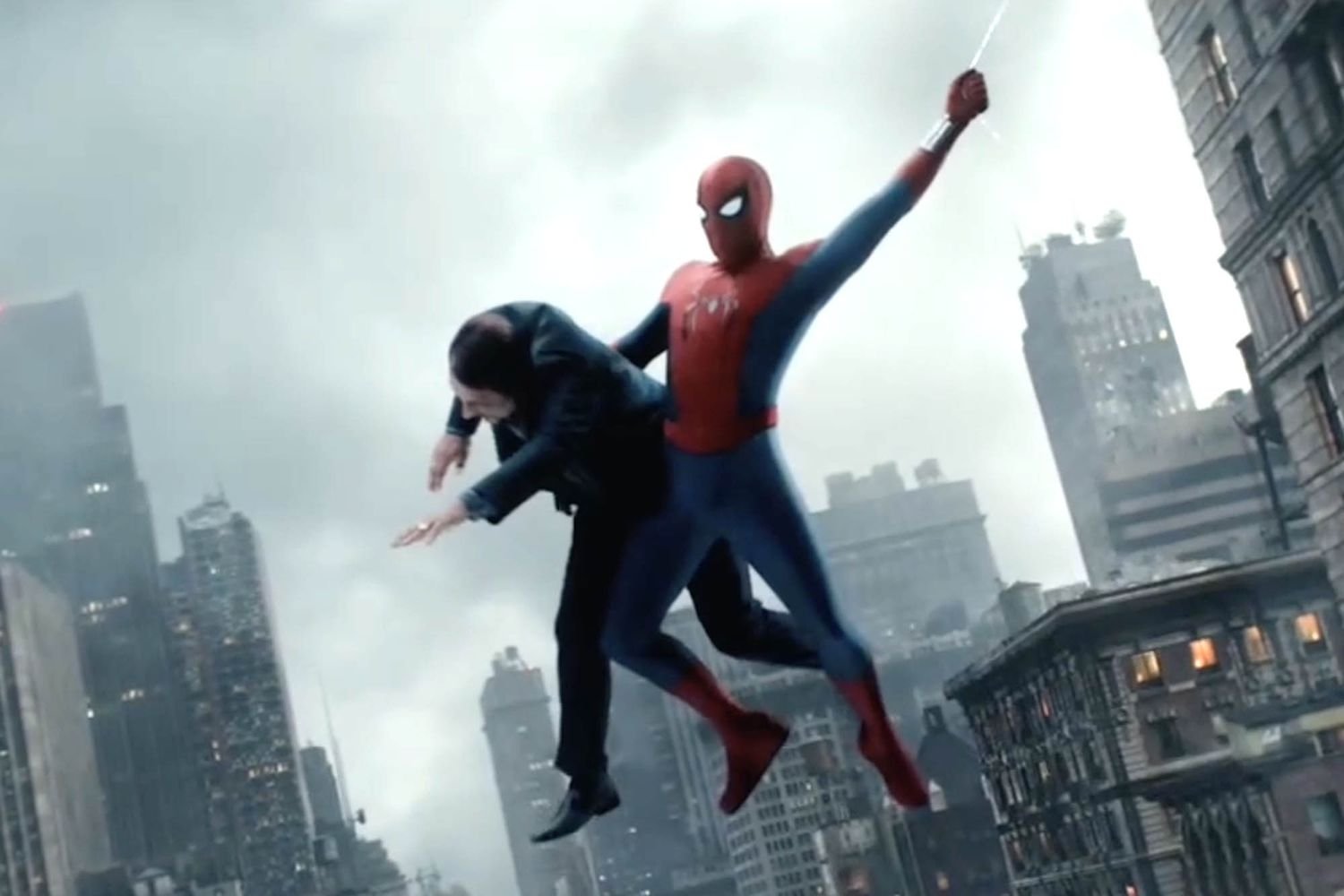
Spider-Man: Brand New Day pulled in $360 million domestically this weekend. That's not just a franchise record. It's the biggest opening weekend in box office history, full stop, beating Avengers: Endgame's $357.1 million from 2019.
Here's the part that should stop you: Sony couldn't book a single IMAX screen in North America for it. Christopher Nolan's The Odyssey had them all locked down, and has since December. Spidey broke the all-time record on standard screens, Dolby Cinema, ScreenX, and 4DX while the format usually credited with juicing blockbuster numbers was sitting with a competitor.
That matters more than it sounds like. For the last decade, the assumption in exhibition has been that IMAX is a meaningful chunk of a tentpole's opening-weekend ceiling. Studios fight over release dates specifically to avoid this kind of format collision. Brand New Day just demonstrated that a movie people actually want to see doesn't need the premium format edge to set records. Dolby Cinema, ScreenX, and 4DX all reported their own best-ever weekends riding the same release. The format war didn't determine the outcome. The audience did.
There's a second layer worth sitting with: Tom Holland and Zendaya, married since last year, are now the top-billed stars of the two highest-grossing films currently in theaters, simultaneously. That's not a coincidence anyone planned. It's just what happens when two career trajectories collide at the exact right moment. The Odyssey is closing in on $1 billion worldwide in its third weekend. Brand New Day did $932 million globally in three days.
The bigger story is what this weekend says about the theatrical model going into 2027. $430 million across North American theaters in a single weekend is the kind of number that was supposed to be permanently behind us after the pandemic and the strikes. It happened because two studios put out two things people were willing to leave the house for, on the same weekend, without either one cannibalizing the other. That's the actual "wait, really?" here: not the record itself, but that raw audience demand beat format strategy.